Suits and Suites 2.0
Page contents
In 2022, Make began exploring the fusion of hospitality and workplace design with Suits and Suites, a series focused on crossover opportunities for delivering best-in-class schemes that support the future of work, leisure and community.
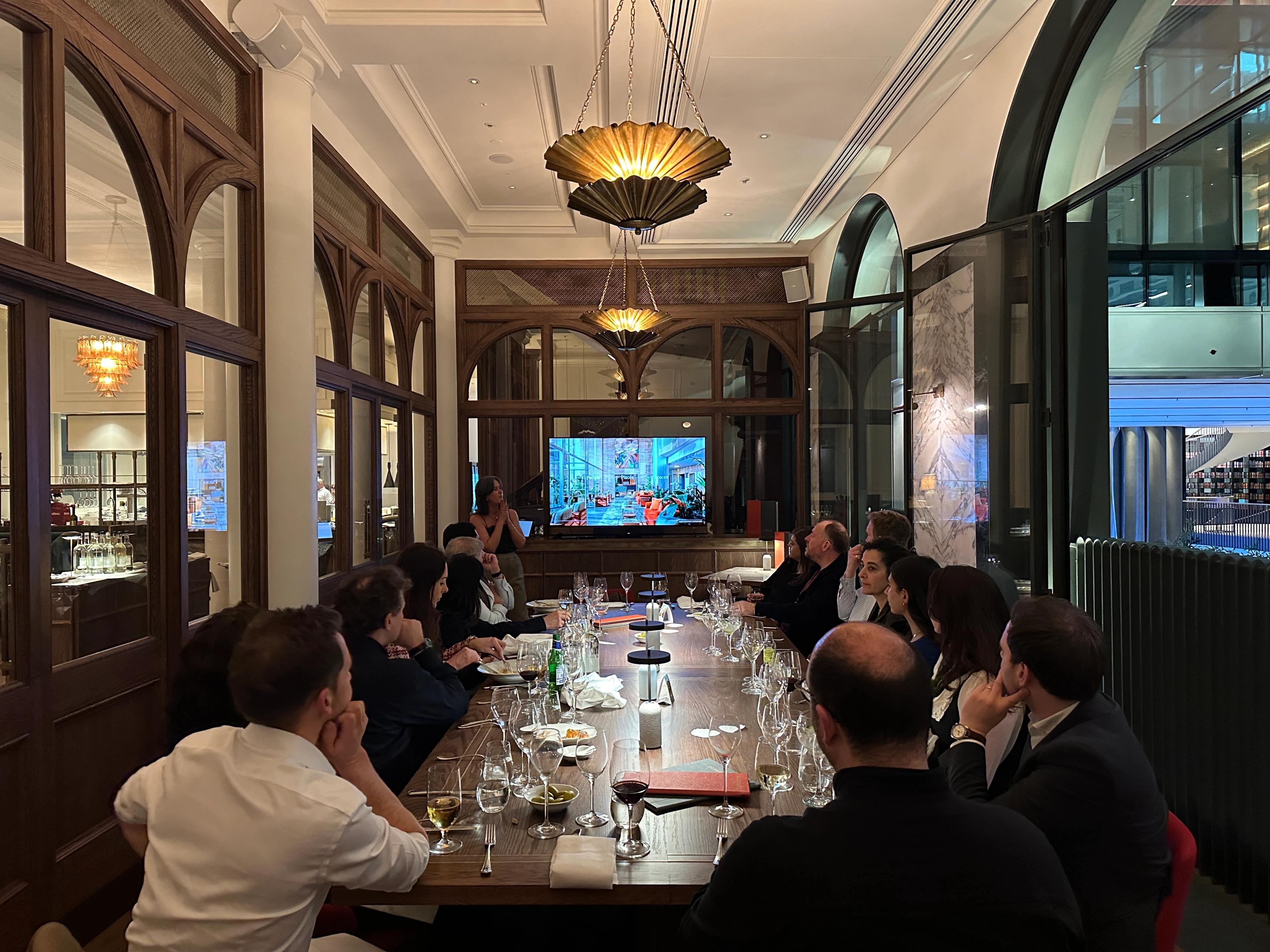
Our latest instalment in the series considers what workplaces can learn from the hospitality sector in terms of belonging, wellbeing and the shift beyond basic needs to sought-after feelings. It follows a Make-hosted roundtable with representatives from Clivedale, Penshee, Derwent, Gleeds, Turner & Townsend, Knight Frank, Spirited Projects, Canary Wharf Group, JLL and Pulse Consult.
Creative strategist Philippa Wagner led a lively discussion around the continuing convergence of these sectors, with new questions posed around the influence of return-to-work mandates on workplace amenities; the role of technology in service-focused spaces; and rising views of the office as a place of comfort and personal growth.
Below are four key themes that emerged in the conversation. Representing the informed perspectives of hoteliers, developers, designers and consultants, they all reflect the overarching principle that design shouldn’t just consider the human experience but foreground it.
Holistic workplaces for personal growth
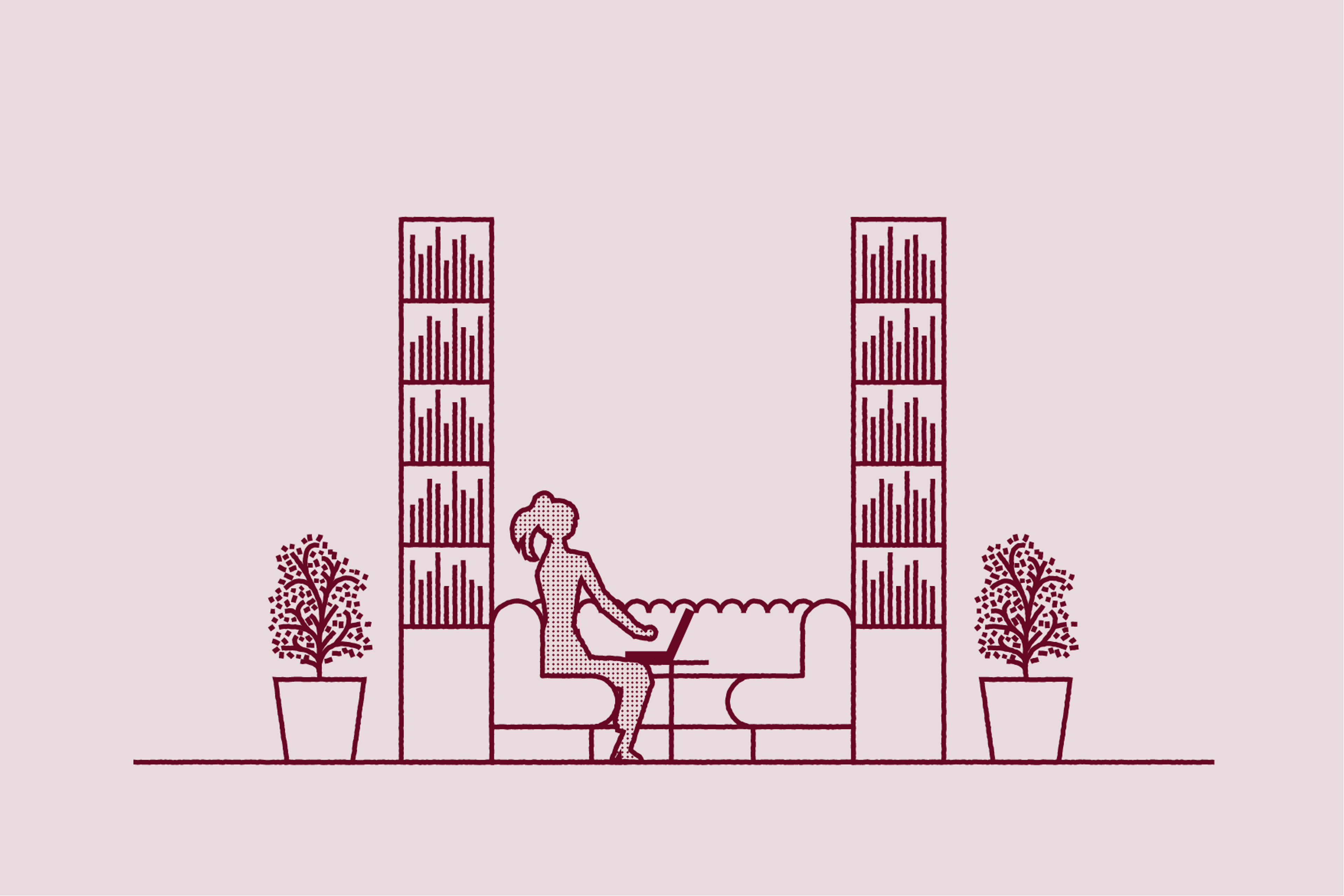
An ongoing development in the workplace sphere is the shift away from the idea of the office as a place reserved for corporate productivity towards a more holistic perspective that considers the amount of life that plays out during our working hours. The most forward-thinking designers and developers seek to create workplaces that support personal needs, aspirations and experiences alongside professional ones. Premium hotels, with their state-of-the-art services and facilities, provide an excellent model for achieving this through on-site amenities.
Workplace developments like Derwent’s 80 Charlotte Street, Gleeds’s newly fitted-out global headquarters and Make’s 40 Leadenhall, for example, all incorporate working lounges and bars that allow for solo working, casual meetings and socialising away from the main office floors. The Gleeds HQ and 40 Leadenhall are also home to spaces for special events, from origami workshops to arts performances, as well as libraries dedicated to individual learning and growth. Another noteworthy feature at 40 Leadenhall is its 2-storey wellness suite, which provides exclusive exercise facilities, plus a nail bar, hair salon and treatment rooms.
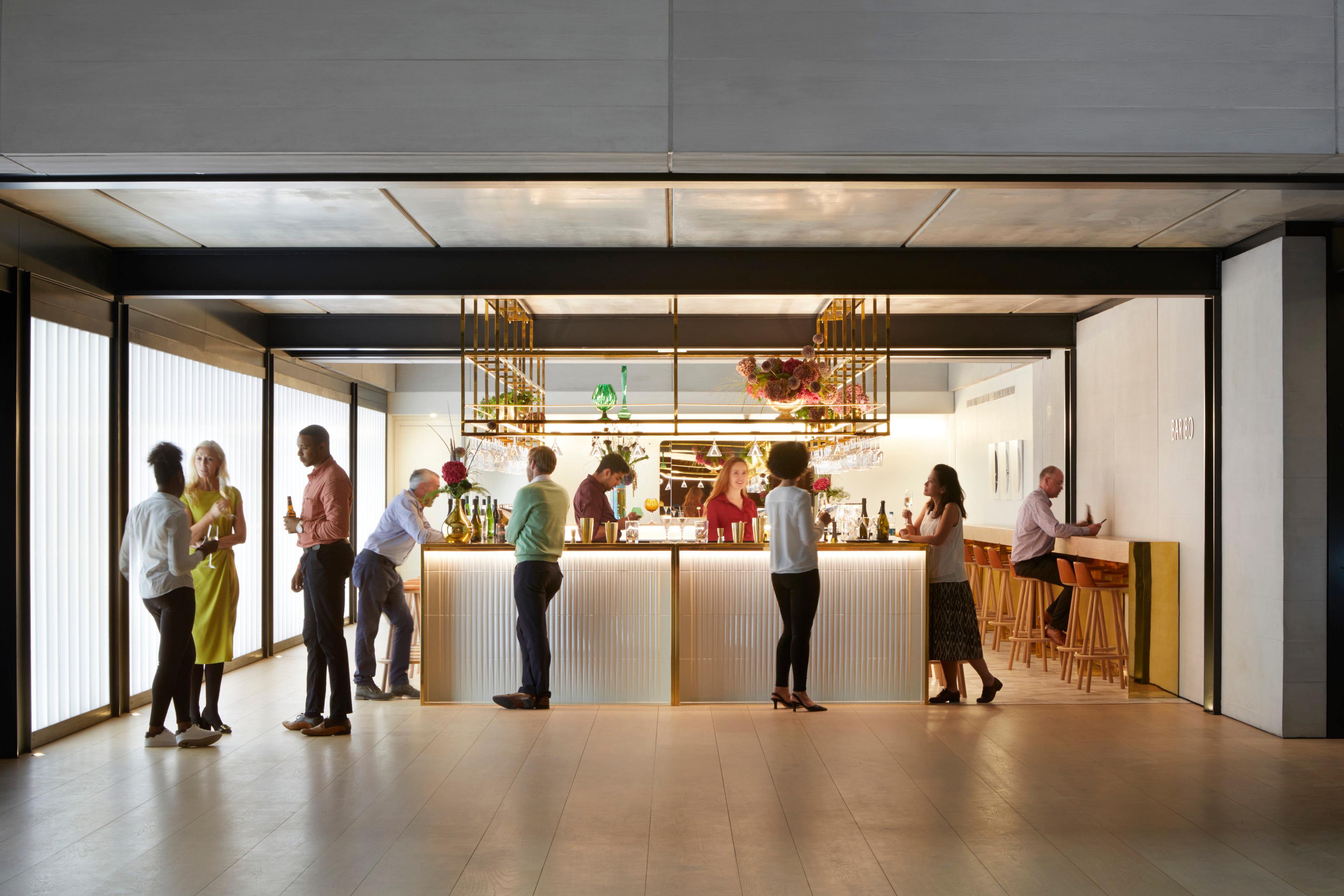
80 Charlotte Street, London. Photo © Jack Hobhouse
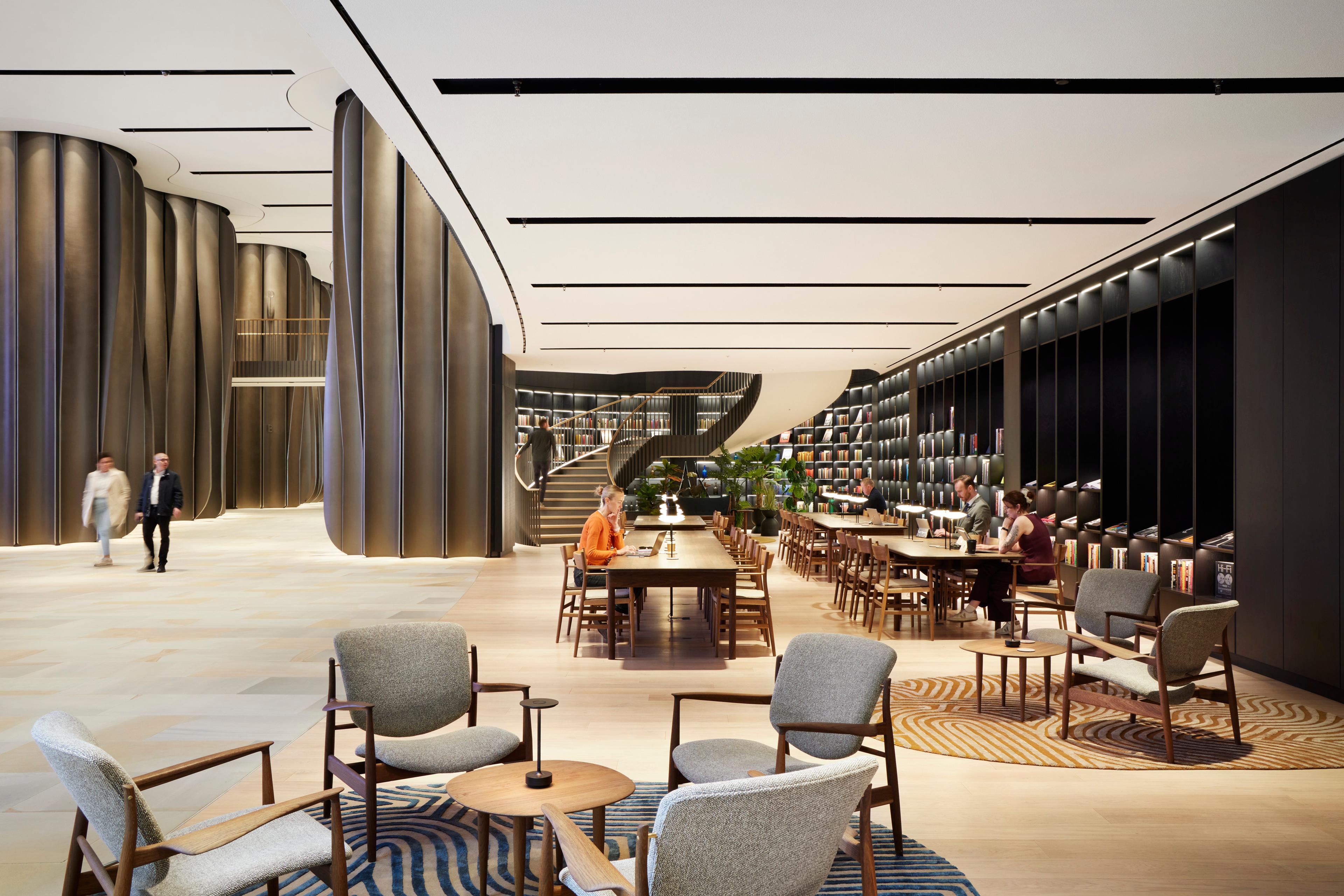
40 Leadenhall library, London. Photo © Jack Hobhouse
The hospitality-level quality of these amenities – evident in their curated lighting, furnishing and detailing – provides added value beyond the traditional model sometimes seen in corporate law firms, where on-site gyms and barbers can be read as a means of minimising downtime from billables. The aim here is to provide spaces for activities like grooming and fitness as well as opportunities for study, entertainment and cultural experiences.
Many of these spaces also support relationship-building and the organic acquisition of soft skills by bringing people together away from their desks. Whether it’s an impromptu interaction in a working lounge or a shared experience at a yoga class, interfacing in a relaxed setting opens up new chances to develop by osmosis.
The role of imagination and intuition
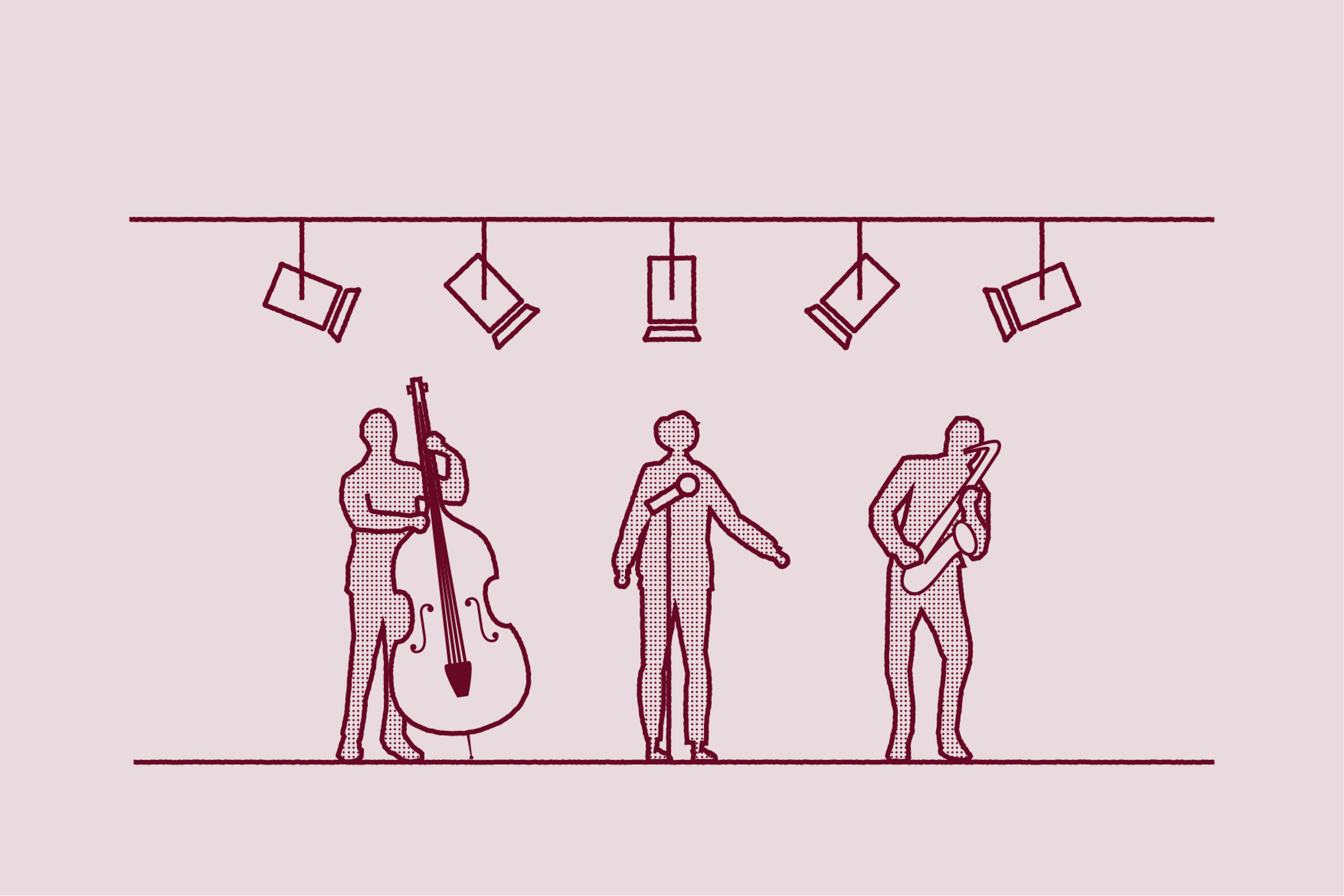
Workplace design is often data-driven, with desk numbers and ratios coming to the fore, but the needs and desires of the occupants – particularly how they want their workplace to make them feel – are equally important factors for delivering designs that support personal development and long-term community-building.
Some of the most resonant components of contemporary workplace design – like the jazz club in Gleeds’s HQ basement, a site that’s proved hugely successful for team bonding and industry networking – contradict what statistics around space density and utilisation might suggest. Viewing amenities as expendable line items rather than catalysts for growth and connection overlooks the elusive human elements that defy the usual metrics informing workplace design. Data is just one piece of the puzzle.
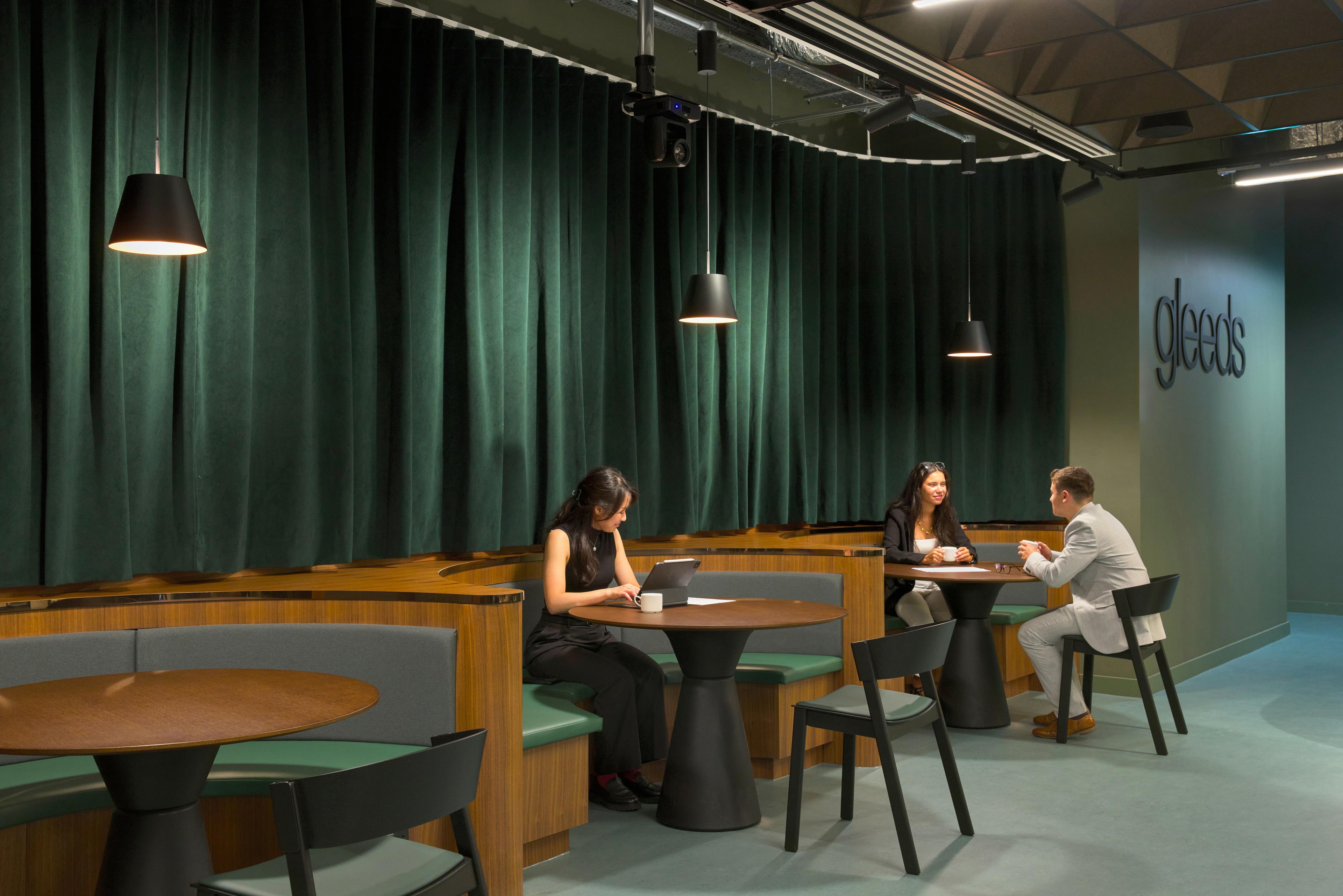
Gleeds Global Headquarters, London. Photo © Make Architects
Frictionless design
With its focus on care, comfort and seamless service, the hospitality industry is a rich source of inspiration for design that addresses subtle frictions people can’t always articulate but feel intuitively. Workplace designers are starting to take note. For example, a small but powerful detail of Make’s workplace interiors for a global law firm in London considers the disruption a catering trolley can pose when it arrives in the middle of a meeting. The team designed the layout of meeting suites to incorporate a small ‘antespace’ where food and drinks can be laid out, without interruption, for people to collect in their own time – a solution inspired by the discreet approach to room service in hotels.
These small details, which reflect deep thinking around specific moments, can be the difference between a positive and negative memory of an entire space. There’s scope to apply this level of consideration to applications of technology in both hospitality and workplace design and operation, including AI, which offers the potential to offload logistical, data-driven tasks, giving front-of-house staff more time to handle the human-centric, care-focused tasks that make an experience special – the warm greeting at reception, the personalised service, the complimentary drink or inside tip.
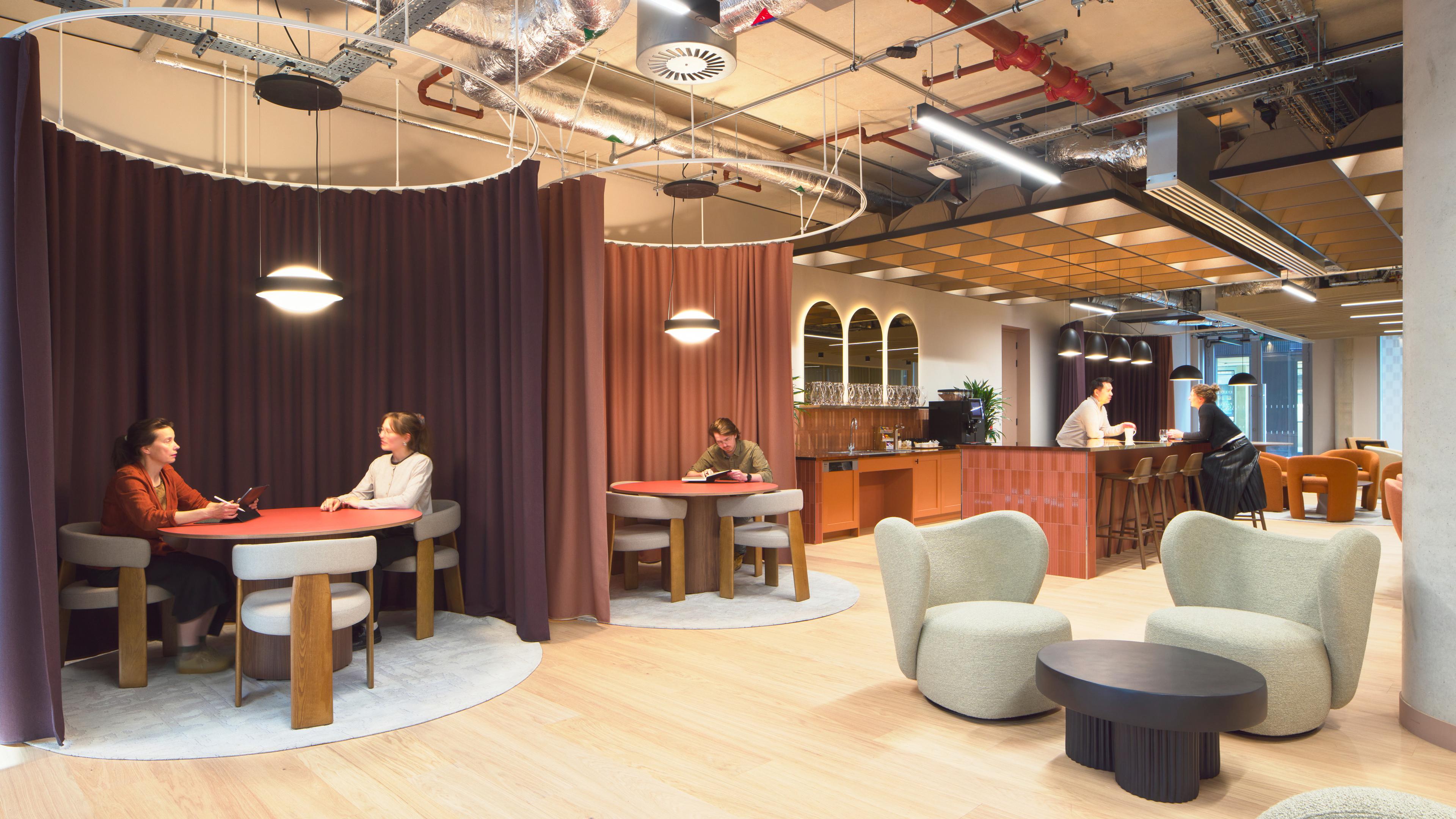
Gleeds Global Headquarters. Photo © Make Architects
In workplace design, this approach could help resolve the long-deliberated question of where to place the secure line. Facial recognition technology, for example, enables barriers to be placed deeper into the building, allowing for a larger lobby space with seating, a cafe and other public-facing amenities. Visitors can be met by greeters who elevate and personalise the arrival experience while still helping control access.
That said, defining the potential of certain spaces isn’t as simple as directly asking occupants and operators what they want, although this input is of course important. Intuition and creativity in both design and programming also play a major role in shaping meaningful spaces, especially as office trends shift in the post-pandemic era.
Squaring the perspectives of stakeholders, meanwhile, requires shared imagination and long-term visioning. What constitutes a unique selling point for an agent might differ from that of a developer, designer or occupier. A question mark hangs over the best way to align these without creating a ‘monospace’ where one party’s thoughts overshadow everyone else’s. Collaboration from the offset is certainly crucial, as is acknowledging the value of unique perspectives, particularly those of operators and building management, to avoid gaps between design and use.
Linking into the wider ecosystem
The concept of a 'portfolio community' is gaining traction in the workplace sector, taking a cue from the exclusive club mentality of brands like Soho House. Derwent, for example, has launched a pair of private lounges in London available to all tenants within their portfolio – an added perk for individuals and a powerful marketing tool for Derwent as the landlord. Each lounge includes drop-in workspace, including collaborative and quiet zones, and members can also access special rates at cafes within and nearby Derwent’s buildings. This membership model is a significant departure from the traditional landlord-tenant relationship and reflects a long-term vision for the workplace that includes wider community-building.
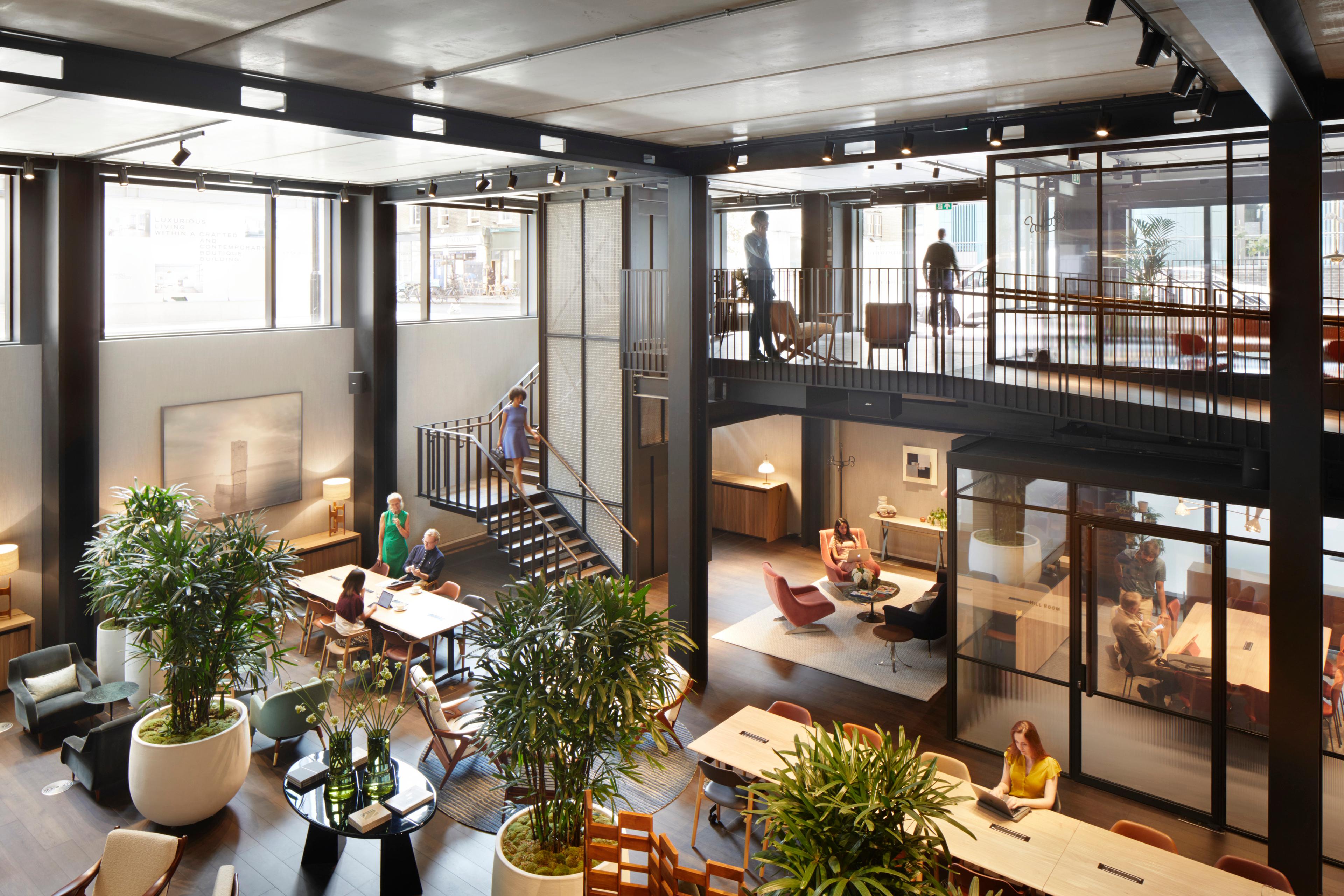
DL/78 at 80 Charlotte Street, London. Photo © Jack Hobhouse
It also reflects a concept increasingly common in the hospitality industry: distributed amenity, which sees hotels integrate into their neighbourhood by scattering their facilities – reception, dining, even guestrooms themselves – across a series of local buildings rather than a single centralised one, embedding guests into the day-to-day community for a more authentic experience.
Workplaces have a similar chance to link into the wider ecosystem around them – for example, by negotiating discounts or formal partnerships with nearby bars, lounges, cafes, hotels, and event and wellness spaces, as seen in the Derwent model. The idea is to encourage employees to frequent these neighbouring businesses, helping create a sense of belonging within the local area and reinforce community on a bigger scale.
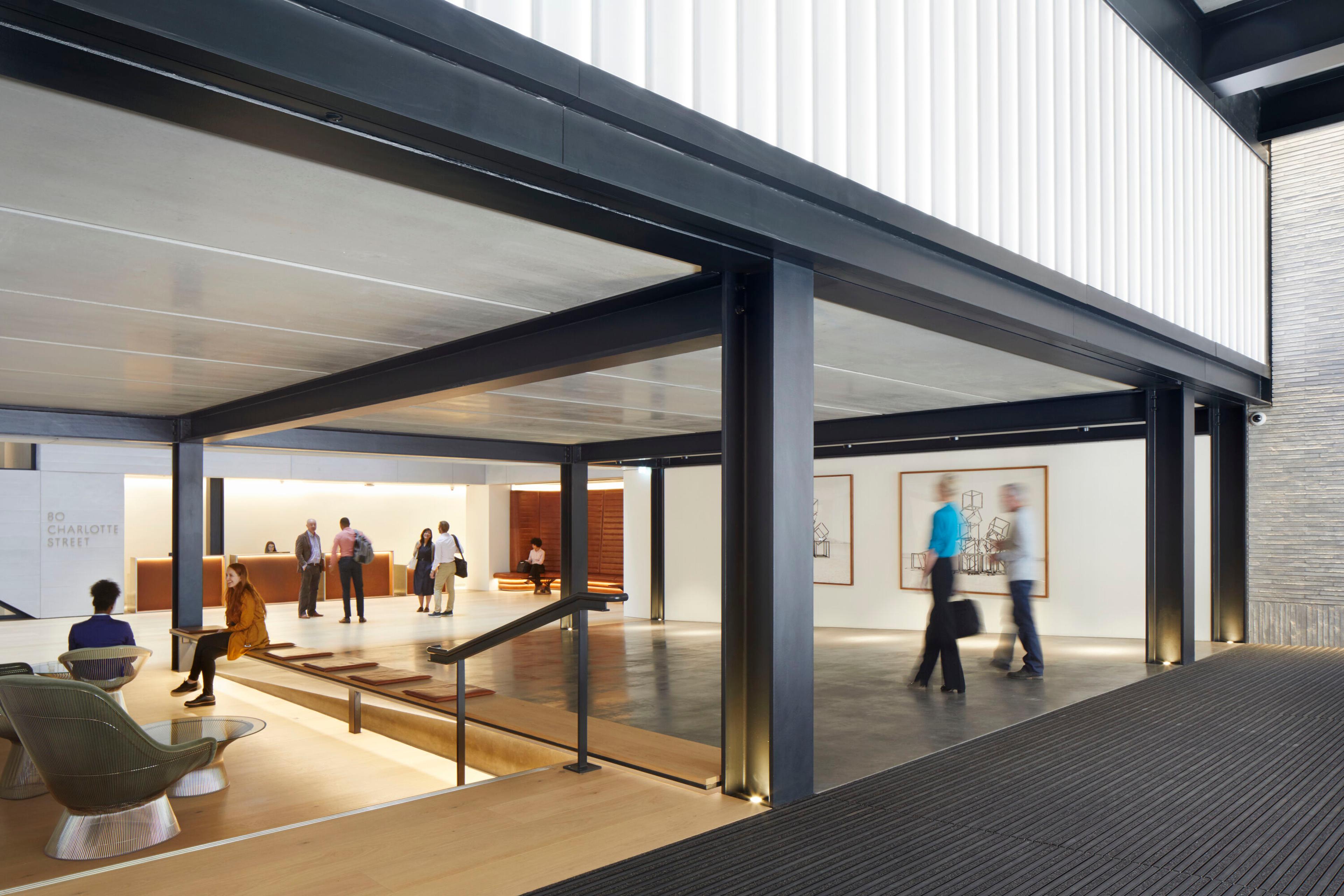
Ground floor entrance lobby at 80 Charlotte Street, London. Photo © Jack Hobhouse
Publication
This article was published as part of our Hospitality Series, which considers the state of the post-pandemic hospitality sector, including its growing intersection with other areas of design.
Read more